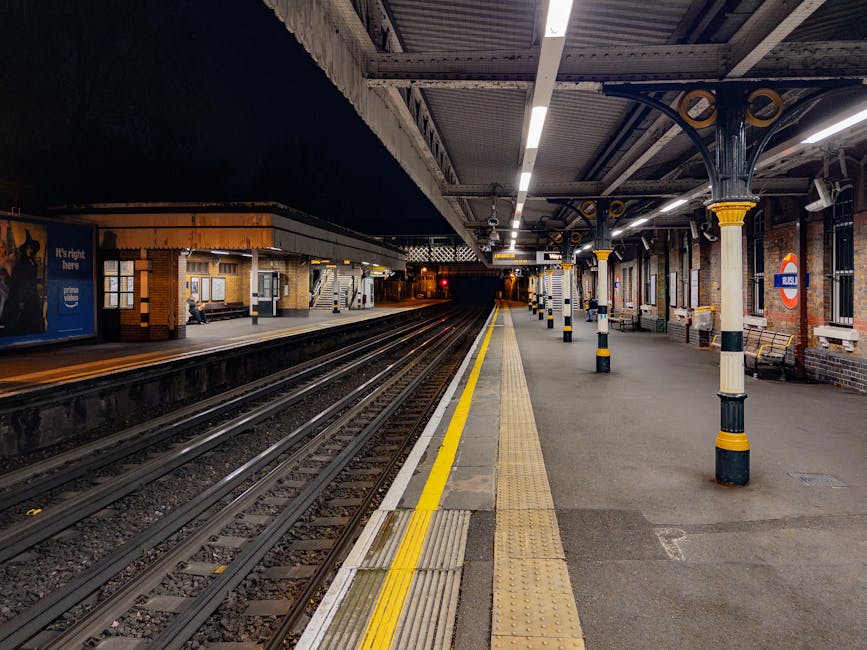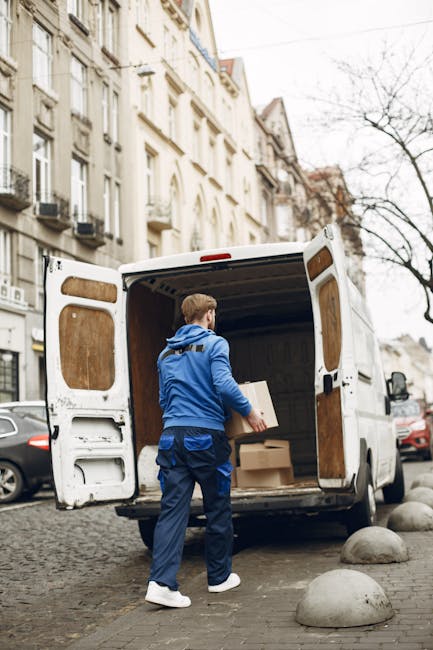
Balham station last mile removals insider tips: how to make a short move feel much smaller
If you are moving near Balham Station, the last few hundred metres can make or break the whole day. That is the bit nobody talks about enough. The van may be booked, the boxes may be packed, but a tight road, a busy pavement, a top-floor flat, or a no-stopping stretch outside the station can turn a simple move into a sweaty little ordeal. These Balham station last mile removals insider tips are here to help you handle that final stretch properly, with less stress and fewer surprises.
Last mile removals are all about the final delivery from the vehicle to the front door, and in a place like Balham that final leg matters more than most people expect. In this guide, you will get a clear, practical view of how it works, what to plan for, where people usually get caught out, and how to make the move smoother from the first box to the last lamp shade. Truth be told, a good last-mile plan saves time, money, and a fair bit of nerves.
- Why this matters
- How the process works
- Key benefits
- Who it is for
- Step-by-step guidance
- Expert tips
- Common mistakes
- Tools and resources
- Compliance and best practice
- Options and comparison
- Real-world example
- Practical checklist
- Conclusion
- Frequently asked questions
Why Balham station last mile removals insider tips Matters
Last mile removals sound simple on paper: arrive nearby, unload, carry in, job done. But near Balham Station, the practical reality is often a bit more fiddly. You are dealing with busier streets, limited kerb space, narrow access in some buildings, and the usual London mix of pedestrians, delivery drivers, cyclists, and someone double-parking "just for a second".
The reason these details matter is not just convenience. They affect how many trips your movers need to make, whether items can be taken safely, how long the job takes, and whether fragile furniture arrives in one piece. If you are trying to move into a flat, student room, or a small house close to the station, the last mile is often where the real logistics happen.
A lot of people focus on the truck and forget the path from vehicle to front door. That is the gap. The best moves are usually the ones where someone has thought through the final carry before moving day even begins. A staircase, a basement entrance, a code lock, or an awkward parking spot can change the whole pace of the move. Not dramatically. Just enough to matter.
For anyone comparing local help, it is worth looking at a broad service approach rather than only the transport side. Pages like removal services and removals are useful starting points because the real job is rarely just driving from A to B. It is the planning, loading, carrying, and careful placement that make the difference.
How Balham station last mile removals insider tips Works
At its simplest, last mile moving is the handover from transport to property. But a properly planned last mile move has several moving parts, and they all need to line up.
First, the mover or driver needs a workable stopping point. Near a station, that may mean a short-distance parking spot rather than a door-to-door pull-up. Next, the team needs to understand the property access: stairs, lifts, garden gates, entry codes, loading restrictions, or shared hallways. Then comes the carry route, which should be checked for trip hazards, low ceilings, tight turns, and any places where you would not want a bulky sofa trying to bend like a gymnast. It rarely does.
The last mile also affects the order of loading. The first items off the vehicle are often the items needed urgently or the largest furniture pieces that are easiest to position before the space gets crowded. Boxes can follow after that, ideally labelled in a way that makes sense to the person carrying them. A label that says "misc" is, frankly, not much help when you are already on the third trip.
In practice, a strong last-mile plan often includes a smaller vehicle, a van with good access, or a staged unloading process. That is one reason people often compare man with van options with larger removals support. The right choice depends on how much needs moving and how awkward the final approach is.
Key Benefits and Practical Advantages
When the last mile is handled well, you feel the benefits very quickly. The move takes less time, the team is less rushed, and the risk of damage drops. Simple enough, but worth spelling out.
Here are the biggest practical wins:
- Less waiting time because access is planned before the van arrives.
- Lower damage risk because awkward carries are anticipated.
- Smoother coordination with building access, lifts, and neighbours.
- Better cost control because fewer delays usually means less wasted labour time.
- Less stress on moving day, which is no small thing when boxes are everywhere and everyone is tired.
There is also a more subtle benefit: confidence. People relax when they can see the move is under control. You notice it in the tone of the day. Fewer sharp instructions, fewer frantic phone calls, more steady progress. That calm is worth something.
If your move includes furniture that needs careful handling, it can be smart to pair the last mile with the right specialist support, such as furniture removals or packing and unpacking services. That way, the final carry is not being treated like an afterthought.
Who This Is For and When It Makes Sense
This kind of planning is not only for big homes or complicated relocations. In fact, the smaller the move, the easier it is to assume everything will be quick. That is often where people get caught out.
These tips are especially helpful if you are:
- moving into a flat near Balham Station with limited parking nearby
- relocating from a top-floor property without a lift
- moving student belongings with a tight turnaround
- handling a same-day move after a tenancy handover
- moving bulky furniture through narrow stairwells or shared entrances
- trying to manage a move around work hours, train noise, or busy streets
It also makes sense for landlords, letting agents, and office managers who need moves to happen cleanly and without drama. A tidy arrival matters when there are other people using the building. The hallway should still look like a hallway afterwards, not a warehouse corridor by accident.
For students or younger renters, the decision often comes down to speed and practicality. In that case, services like student removals can be a better fit than trying to squeeze everything into several awkward journeys with friends and a borrowed hatchback.
Step-by-Step Guidance
If you want the last mile to go smoothly, treat it as its own mini-project. Here is a practical way to approach it.
- Map the final route. Walk from the likely stopping point to the door. Look at kerbs, gates, stairs, tight corners, and any place where a sofa or mattress might snag.
- Check parking and access realities. Do not assume you can stop right outside. In a busy area, the best spot may be slightly further away than you would like.
- Measure large items. Tall wardrobes, bed frames, and dining tables are the usual troublemakers. Measure doorways and stair turns too.
- Label boxes clearly. Put room names on them. If possible, mark fragile items and priority boxes. It saves a lot of "where does this go?" on the landing.
- Prepare the property. Clear hallways, unlock gates, and keep pets, children, and loose clutter out of the carry route.
- Plan the order of unloading. Bed, key furniture, then boxes. Or another sensible order that fits your home. The point is to avoid stacking everything in one corner and creating a human maze.
- Keep essentials separate. Documents, medication, chargers, kettle, and a change of clothes should not disappear into the general chaos.
- Allow a buffer. Even a short local move benefits from extra time. It is a lot easier than trying to rush the last trolley run because the slot is ending.
A small note from experience: if the move involves a station-area property, the soundscape can be surprisingly helpful. You hear the trains, buses, scooters, and general London bustle in the background, and it reminds you that access is shared space. That little awareness often makes people more patient, and patience helps.
Expert Tips for Better Results
These are the insider tips that genuinely make a difference, especially in a place like Balham where the environment can shift quickly from easy to awkward.
1. Choose the right vehicle for the access, not just the load
A bigger vehicle is not always better. If the vehicle cannot stop close enough, or if the route from it to the property is clumsy, a more compact option may actually be faster. This is where a well-matched removal van or man with a van setup can work better than over-specifying the job.
2. Think in carry distance, not only in miles
The journey across London is one thing. The carry from kerb to front door is another. A ten-minute drive with a short lift can be easier than a two-minute drive with five flights of stairs. Funny how that works.
3. Put the awkward items on the plan first
Do not save the hardest piece for last unless you like making a tired afternoon even more tired. Large mirrors, sofas, piano stools, and awkward shelving should be discussed early. If a move includes a piano, specialist handling matters, so a service such as piano removals is far more sensible than hoping for the best.
4. Build in a handoff point
Sometimes the smartest move is to create a temporary drop zone in a lobby, hall, or just inside the door before items are carried to their final rooms. That breaks up the pressure. It is a small tactic, but it helps.
5. Keep communication boring and clear
No long speeches. Just clear facts: where to stop, who opens the door, which boxes matter, what should not be stacked, and where fragile items go. Boring communication is often the best kind during removals.
If you need reassurance on the planning side, it can help to review a company's practical standards and process pages, such as insurance and safety and health and safety policy. Not glamorous reading, granted. Still useful.
Common Mistakes to Avoid
Most last-mile problems come from a few repeat mistakes. Nothing exotic. Just the usual missed details that add friction at exactly the wrong moment.
- Assuming parking will sort itself out. In busy London areas, this is the quickest route to delay.
- Not checking stair access. A sofa that fits the room may still struggle on the turn.
- Packing without room labels. That turns unloading into a guessing game.
- Leaving the entry path cluttered. Shoes, plant pots, recycling bags, and loose cables are all trip hazards.
- Forgetting building rules. Some flats and managed properties have access windows, lift booking rules, or quiet hours.
- Trying to move too much in one trip. It looks efficient. Usually it is not.
There is also the overconfidence mistake. People think, "It is only a short move, we will manage." Maybe. But if you have ever carried a mattress through a damp stairwell after a long day, you know how quickly "manageable" becomes annoying. Not a disaster. Just annoying. And annoying is enough to ruin the mood.
Another one is underestimating disposal and unwanted items. If you are clearing out furniture at the same time, it is better to plan separate collection or disposal in advance through options like furniture pick up rather than shoving old items into the moving day itself.
Tools, Resources and Recommendations
You do not need fancy equipment to make a local move work well. You need the right basics, and you need them ready before the van arrives.
Useful items for last mile removals:
- sturdy boxes in mixed sizes
- good tape and a marker pen
- furniture blankets or wraps
- trolley or sack truck for heavier boxes
- door stops to keep routes open
- old towels or floor protection for wet weather
- basic toolkit for dismantling beds or shelves
For larger or more structured moves, you may want to compare a full removals approach with a more flexible man-and-van arrangement. The choice depends on what you are moving, how much space you have, and whether the final approach is awkward. A full-service option like house removals can suit larger home moves, while smaller, tighter jobs may be better handled by man and van support.
If your timing is tight, same-day help can be the difference between getting settled and sleeping on a mattress in the living room. That is where same-day removals can be worth considering, although you should only use it when the schedule genuinely needs that speed.
For businesses shifting near the station, office access and desk movement bring their own little headaches. If that sounds familiar, office relocation services or office removals are more appropriate than treating it like a household job with extra chairs.
Law, Compliance, Standards, or Best Practice
For removals around Balham Station, the important thing is to stay within ordinary UK best practice and any site-specific access rules that apply. You do not need to become a legal expert, but you should respect building management instructions, parking restrictions, and safe manual handling.
In practical terms, that means:
- not blocking access routes or emergency exits
- handling heavy items in a way that reduces injury risk
- checking whether a property has lift booking requirements or access windows
- being honest about item weight, access difficulty, and fragile belongings
- confirming what insurance cover is in place before the move
Good removals providers should also be transparent about terms, payment handling, and complaint routes. That does not sound exciting, but it matters. Clear terms reduce awkwardness later. If you want to read those essentials in advance, pages such as terms and conditions, payment and security, and complaints procedure are the kind of practical details that support trust.
Also worth noting: if you are moving items that are no longer needed, especially furniture, a responsible approach to reuse and recycling can keep waste down. If that side of the move matters to you, see recycling and sustainability.
Options, Methods, or Comparison Table
Different move types suit different last-mile setups. Here is a simple comparison to help you choose the right approach.
| Method | Best for | Strengths | Watch-outs |
|---|---|---|---|
| Man with a van | Small to medium local moves | Flexible, often quicker in tight access areas | May need more trips if the load is larger than expected |
| Removal van with full moving help | Flat moves and busy access routes | Better organisation, safer handling, more support | Needs stronger pre-move planning |
| Full removals service | House moves, larger loads, awkward furniture | Efficient for complex jobs, less lifting for you | May be more than you need for a very small move |
| Same-day service | Urgent or last-minute changes | Fast response, practical in time-sensitive situations | Less room for long planning; availability can be limited |
There is no single "best" option for everyone. The right call depends on volume, access, timing, and how much lifting you want to do yourself. If the move is into a flat, a dedicated flat removals approach can be more suitable than a generic move. And if it is a business move, you are back in commercial moves territory.
Case Study or Real-World Example
Picture a typical Balham move on a damp Saturday morning. It is just after eight, the pavement is already busier than expected, and the building entrance sits a short walk from where the van can safely stop. Nothing dramatic. Just a normal London start.
The movers first check the route from van to door. One sofa, a mattress, three dismantled shelving units, and a stack of labelled boxes. The client has already cleared the hallway, which helps more than people realise. No clutter. No shoes. No half-open parcel boxes left in the way. That alone saves several minutes and a couple of irritated sighs.
The largest items come off first, before the hallway fills up. A trolley is used for the heavier boxes, and the fragile kitchen items are handled separately. There is a short pause while the key is found for the side gate. Annoying? Sure. But because the access point was checked in advance, the delay is tiny rather than chaotic.
By the end, the client is not saying, "Wow, what a heroic move." It is quieter than that. Better, actually. They are just relieved that the whole thing felt controlled. That is usually the sign of a good last mile job. No drama. No lost items. No scratched doors. Just boxes in the right rooms and a house that starts to feel like home.
And yes, someone always asks where the kettle is. Always.
Practical Checklist
Use this checklist before moving day. It is simple, but it covers the stuff people forget when they are busy.
- Confirm the vehicle size and stopping point
- Measure key furniture and doorways
- Check stairs, lifts, and access codes
- Clear hallways and entry points
- Label boxes by room and priority
- Set aside essentials for immediate access
- Protect floors and fragile surfaces if needed
- Tell the mover about any heavy, fragile, or awkward items
- Review safety, insurance, and terms in advance
- Keep a little buffer in the schedule
Expert summary: the best Balham station last mile removals are the ones where the final carry is planned as carefully as the drive itself. If access, timing, and handling are sorted early, the move feels much easier, even if the property itself is a bit awkward. That is the real insider edge.
Get a free quote today and see how much you can save.
Conclusion
Balham Station is a lively place to move around, and that is exactly why last mile planning matters. The route may be short, but the details are not small. Access, parking, stairs, building rules, item size, and timing all shape the experience. Get those right, and the whole move becomes calmer, quicker, and a lot less tiring.
If you remember only one thing, let it be this: the last mile is not the leftover part of the move. It is part of the move. Treat it that way, and you will avoid most of the hassle people usually blame on luck. A bit of forethought goes a long way, honestly.
And when the final box is in place and the door closes behind you, it is a good feeling. Properly good.
Frequently Asked Questions
What are Balham station last mile removals insider tips?
They are practical planning tips for handling the final stretch of a move near Balham Station, where parking, access, and short carry distances can still create real delays or damage risk.
Why is the last mile so important in a local move?
Because the final carry often determines how fast and safely everything gets into the property. A short drive does not help much if the van cannot stop nearby or the building access is awkward.
Is a man with a van enough for a move near Balham Station?
It can be, especially for smaller loads or flat moves. If you have bulky furniture, multiple flights of stairs, or a lot of boxes, a fuller removals setup may be the better call.
How do I plan for parking close to the station?
Do not assume you will get a space right outside. Plan for a realistic stopping point, keep the carry route short and safe, and check whether the property or building has any access instructions.
What should I tell the movers before the job?
Tell them about stairs, lifts, tight turns, heavy items, fragile belongings, access codes, parking restrictions, and any timing limits. The more honest the brief, the smoother the day.
Do I need professional packing for a last mile move?
Not always, but it helps if you have fragile items, awkward shapes, or a tight schedule. Good packing makes the final carry easier and reduces breakage risk.
What is the biggest mistake people make with local removals?
Assuming the move is simple because it is local. In reality, access issues and parking can cause more trouble than the drive itself.
Are same-day removals sensible for Balham area moves?
Yes, if the move is genuinely urgent or your timing has changed at the last minute. They are best used when speed matters more than long lead-time planning.
How can I protect furniture during a short move?
Use blankets, wraps, and sensible handling. Measure the route first, remove loose parts where possible, and avoid rushing large items through tight spaces.
Should I split a move into several smaller trips?
Sometimes, yes. If access is very tight or the load is light, smaller trips can be safer and easier than forcing everything into one overloaded run.
What if my flat has no lift?
Then staircase planning becomes central. Measure turning points, keep heavy items to an organised order, and make sure the carrying team knows about the stairs before arrival.
How do I know which removal option is best?
Match the service to the load, access, and timing. Smaller jobs may suit a van-based move, while bigger or more complex relocations usually need fuller removals support.
Can I combine a move with furniture disposal?
Yes, but it is better to separate the tasks in your plan. If unwanted items are involved, arrange collection or pickup rather than letting them slow down the move itself.
What gives the smoothest result on moving day?
Clear access, labelled boxes, realistic timing, and honest communication. It sounds simple because it is. But those basics are what keep a move from becoming messy.